The Short Answer
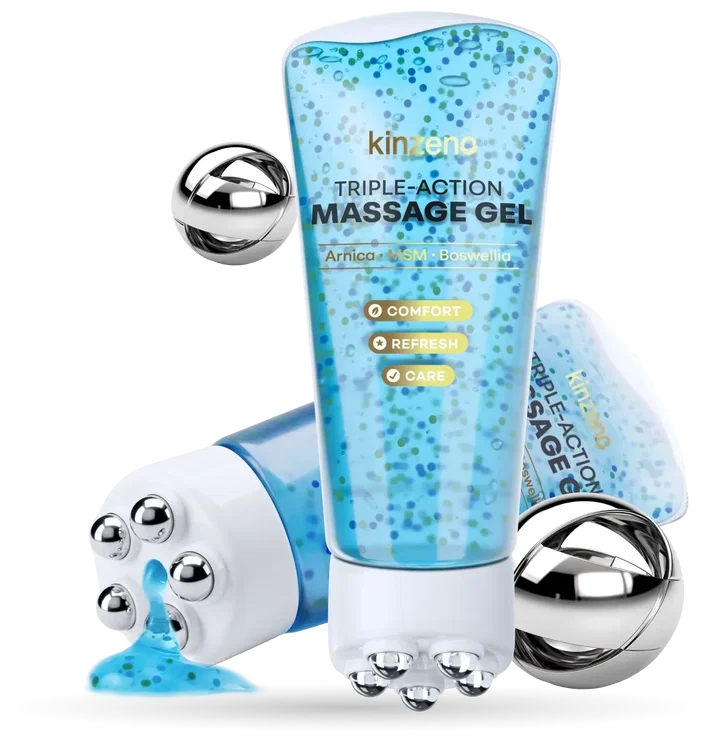
Most pulled muscles are mild strains that feel much better within a few days and let you get back to normal life in about one to two weeks. A moderate strain usually takes several weeks, and a severe tear can take months and needs a doctor. What you do in those first weeks matters: a short rest, then gentle movement, light stretching and massage once the fresh phase has passed. For that massage step, the most convenient tool we know is the Kinzeno Magnetic Roller, which combines a cooling gel and shiatsu-style rollers in one pass. A pop, a visible dent, heavy bruising or being unable to use the muscle means see a doctor first.
It happens in a second. You reach for a bag in the trunk, sprint for a ball, or step off a curb at an odd angle, and something in your calf, thigh, back or neck goes twang. The first question that follows is almost always the same: how long is this going to last?
The honest answer is "it depends on how badly it's pulled," but that doesn't mean you're in the dark. Muscle strains follow a fairly predictable pattern, and once you know which kind you probably have, you can plan the next few weeks with confidence. In this guide we'll walk through the typical healing times, a day-by-day timeline for the most common mild strain, what tends to slow recovery, and a simple plan to help it along at home.
What a "Pulled Muscle" Actually Is
A pulled muscle is a strain: some of the muscle fibers, or the point where muscle meets tendon, have been stretched too far or torn. It most often happens when a muscle is suddenly loaded while it's lengthening, or when a tired muscle is asked to do one more rep. The calves, hamstrings, groin, lower back and neck are the usual suspects.
Doctors usually describe strains in three grades. You don't need a diagnosis to get a rough idea of where you sit, but if you suspect anything beyond mild, an exam is worth it.
Healing Time by Severity
| Type of strain | What it feels like | Typical recovery |
|---|---|---|
| Mild (grade 1) | Tight, sore, tender to touch; you can still walk and use the muscle, just not comfortably | Feels much better in days; normal activity in about 1–2 weeks; full strength in a few more weeks |
| Moderate (grade 2) | Sharper pain, some swelling or bruising, noticeable weakness and limping or guarding | Several weeks, sometimes up to 2–3 months for full return to sport |
| Severe (grade 3) | A pop, severe pain, a visible dent or bulge, unable to use the muscle | Months; needs medical evaluation and sometimes surgery |
Two more things shift the timeline. Age: muscles tend to recover more slowly as we get older, so a strain that clears in a week at 25 may take longer at 60. Location: big, heavily used muscles like the hamstrings and calves are easy to re-strain if you rush back.
A Day-by-Day Timeline for a Mild Strain
- Day 1–2: the "fresh" phaseSore, tender and possibly a little swollen. Rest the muscle from whatever caused it, use cooling for 15–20 minutes at a time with a cloth barrier, and keep moving the rest of your body. Our heat vs. ice guide explains why cooling comes first.
- Day 3–5: the turning pointThe sharp edge fades and stiffness takes over. This is when gentle movement, short walks and easy range-of-motion work start paying off. Light massage of the muscle and the area around it usually feels good now.
- Day 6–14: back to normal lifeEveryday activities feel close to normal. Add gentle stretching and light strengthening. Warm the muscle up before you use it and massage it afterward.
- Week 3–6: rebuilding strengthThe muscle feels fine in daily life, but it may still be weaker than before. Build back gradually before sprinting, heavy lifting or competitive sport, which is where most re-injuries happen.
What Slows Recovery Down
- Going back too hard, too soon. The most common reason a "one-week" strain turns into a six-week one. Feeling okay walking is not the same as being ready to sprint.
- Total rest for too long. A day or two of protection helps; a week on the couch leaves the muscle stiff and weak.
- Stretching into pain. Gentle is the word. Forcing a stretch on a healing muscle can re-strain it.
- Heat or deep massage on a fresh, swollen area. Save both for after the first 48 hours.
- Poor sleep and skipping meals. Recovery happens when the body has the rest and fuel to do it.
- Ignoring the cause. If the strain came from tight muscles and long hours at a desk, our desk-work tension routine helps keep it from coming back.
A Simple At-Home Plan to Help It Along
For a mild strain, recovery mostly comes down to four habits repeated daily:
- Protect, then moveAvoid the movement that hurt it for a day or two, then reintroduce gentle movement within a pain-free range, a little more each day.
- Cool early, warm laterCooling in the fresh phase; once the area is stiff rather than swollen, a warm shower or heat before moving feels better.
- Massage once the fresh phase has passedTwo to five minutes of light massage over the muscle and the tissue around it, once or twice a day. This is the step most people skip because it's awkward with bare hands, and the reason so many of our readers use the Kinzeno Magnetic Roller instead.
- Rebuild graduallyEasy strengthening and longer walks before returning to sport. If you've been through ordinary post-workout soreness, you'll notice a strain needs more patience.
When to See a Doctor
- You felt or heard a pop, or there is a dent or bulge in the muscle.
- There is large bruising, significant swelling, or you can't bear weight or use the muscle.
- You notice numbness, tingling or weakness.
- A calf is swollen, warm and red without a clear injury, or you're short of breath (seek care right away).
- The pain is getting worse, or hasn't clearly improved after two to three weeks.
This article is general information, not medical advice. Home care is for mild, everyday strains; it does not replace an exam when something feels wrong.
Our Recommendation: The Kinzeno Magnetic Roller
For the everyday strains most of us deal with — a tweaked calf, a tight hamstring, a back or neck that "went" lifting something — the recovery tool we recommend is the Kinzeno Magnetic Roller. It makes the massage-and-cooling part of the plan above easy enough to do every day, which is exactly what keeps recovery on schedule.
- Cooling sensation on contact. The botanical gel leads with menthol, so a stiff, achy muscle gets that calm, cool feel the moment you roll.
- Five shiatsu-style rollers. They glide over the muscle with even, gentle pressure — ideal for a healing strain, where light and consistent beats deep and aggressive.
- 20+ ingredients in a non-greasy gel. Alongside menthol you get arnica, MSM and allantoin, released as you roll, with nothing to wash off your hands.
- Neodymium magnets in the head. A third layer the manufacturer highlights; we present the magnet figures as manufacturer claims.
- Pocket-size. Keep it in a gym bag or on the nightstand so your twice-a-day routine actually happens.
On the official site, the current promotion runs from $34.99 for one roller down to $19.99 per roller in the 4-pack ($79.96 total, up to 70% off). Prices shown are the Subscribe & Save plan — billed monthly, cancel anytime — and a one-time purchase is also available at checkout. Every official-site order comes with a 60-day money-back guarantee, so you can make it part of your recovery routine without risk. Results vary from person to person. Wait until the first 48 hours have passed before rolling over a strained area, and if you have a pacemaker or an electronic implant, get your doctor's approval before using a product with magnets.
Frequently Asked Questions
How long does a mild pulled muscle take to heal?
A mild strain, where a small number of fibers are overstretched, usually feels noticeably better within a few days and allows normal daily activity within about one to two weeks. It can take a few more weeks before the muscle feels completely back to full strength for sports or heavy lifting.
How do I know if my pulled muscle is serious?
Warning signs include hearing or feeling a pop at the moment of injury, a visible dent or bulge in the muscle, large bruising, being unable to bear weight or use the muscle at all, numbness or tingling, and pain that is getting worse instead of better after a few days. Any of these is a reason to see a doctor.
Should I rest a pulled muscle completely?
Rest it from the activity that caused it for the first day or two, but avoid total immobility. Once the sharpest pain settles, gentle movement within a comfortable range, short walks and light stretching usually help the muscle recover better than keeping it completely still.
Is massage good for a pulled muscle?
Not in the first day or two, when the area may be swollen and tender. After that, gentle massage of the muscle and the area around it is something many people find soothing and helpful for stiffness. Keep the pressure light, never massage into sharp pain, and avoid any area that is very swollen, hot or bruised.
Why is my pulled muscle taking so long to heal?
Common reasons are going back to full activity too soon, re-straining it before it has fully recovered, poor sleep, staying completely inactive, and age, since muscles tend to recover more slowly as we get older. If a strain is not clearly improving after two to three weeks, have it checked by a doctor or physical therapist.
Can I use the Kinzeno Magnetic Roller on a pulled muscle?
Once the first 48 hours have passed and the area is no longer swollen or hot, many people use it with light pressure on the muscle and the tissue around it as part of their recovery routine. Do not roll over broken skin, bruising, bone or a fresh, swollen injury. If you have a pacemaker or an electronic implant, ask your doctor before using a product with magnets.